Category: Basic Electronics
Hacking a Servo to Spin Continuous Rotation
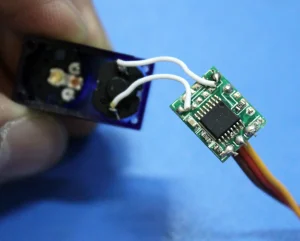
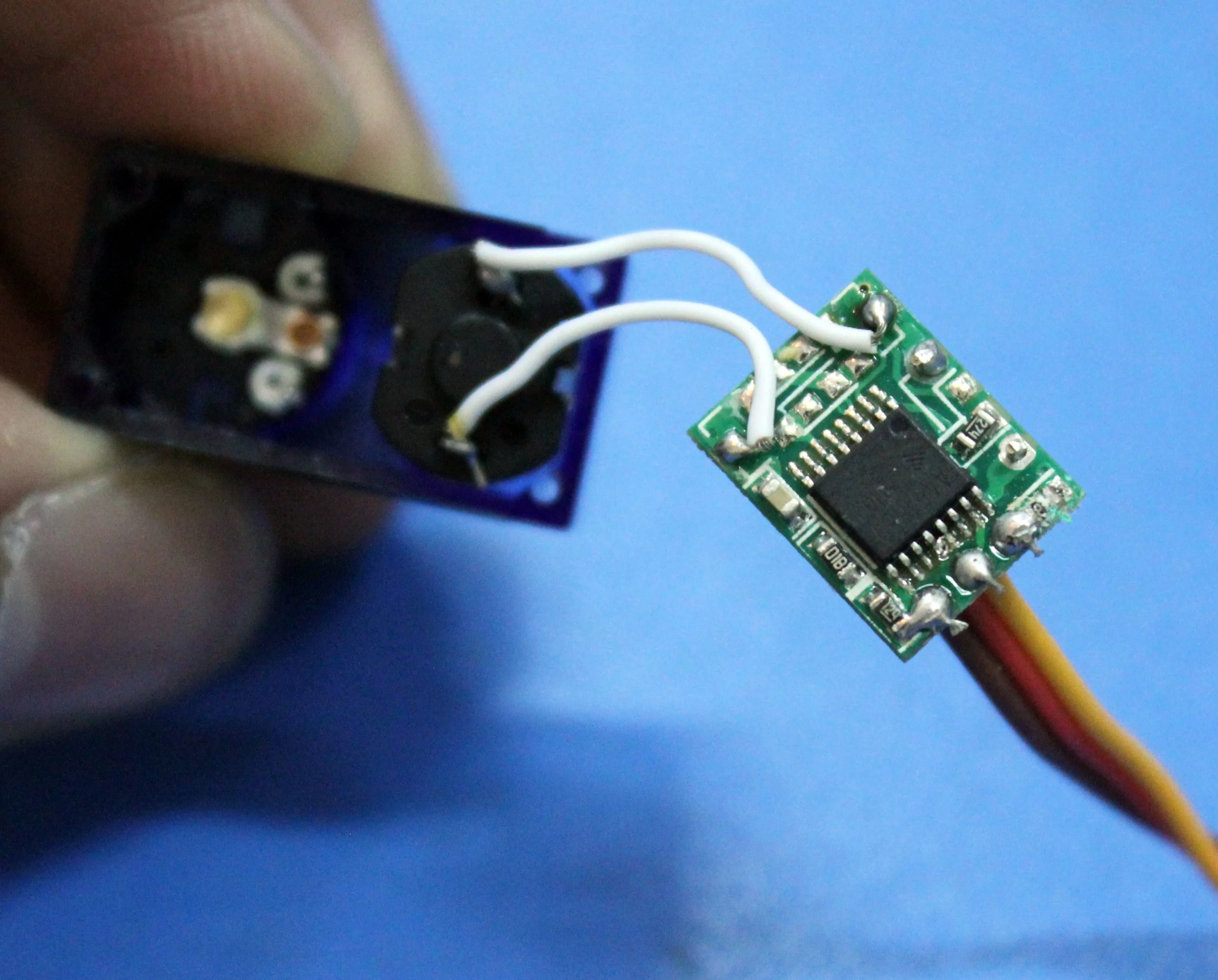
Demonstration: What is a Servo? A servo is a device comprising of a two wire DC motor, set of gears, a position-sensing device (usually a potentiometer), an integrated circuit and output shaft. Unlike the DC motor, Servo has three wires. One is for power, one is for ground and the third wire is a control…
Starter Kit for Electronics
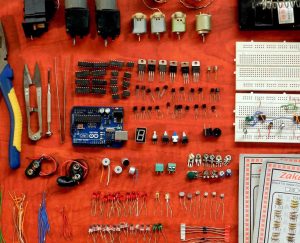
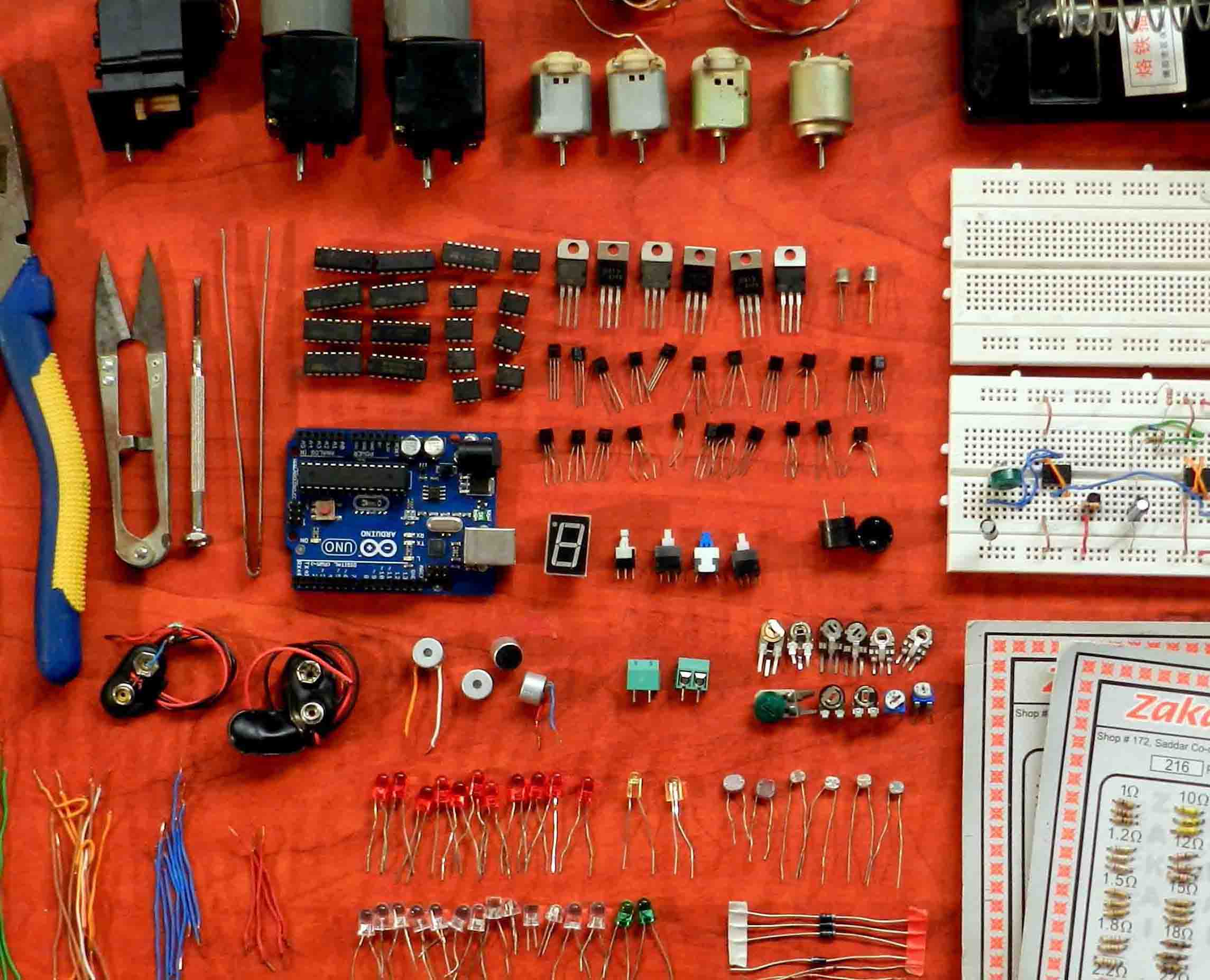
To get started you must have your own stuff, it will cost a little but that’s the only way to learn Electronics :p well I bet you it wont exceed 1500 rupees. In Hyderabad you can get most of the stuff but I will prefer you to buy it from Karachi, because it will be way…

Intro to Fritzing
Fritzing is an open-source wonderful software for artists, researchers and hobbyists to work creatively with interactive Electronics. It is developed at the University of Applied Sciences of Postdam, Germany. It is widely used in order to convert the Circuit Diagram into PCB layout to get a actual product out of it. It also has interactive and…
Board of Education
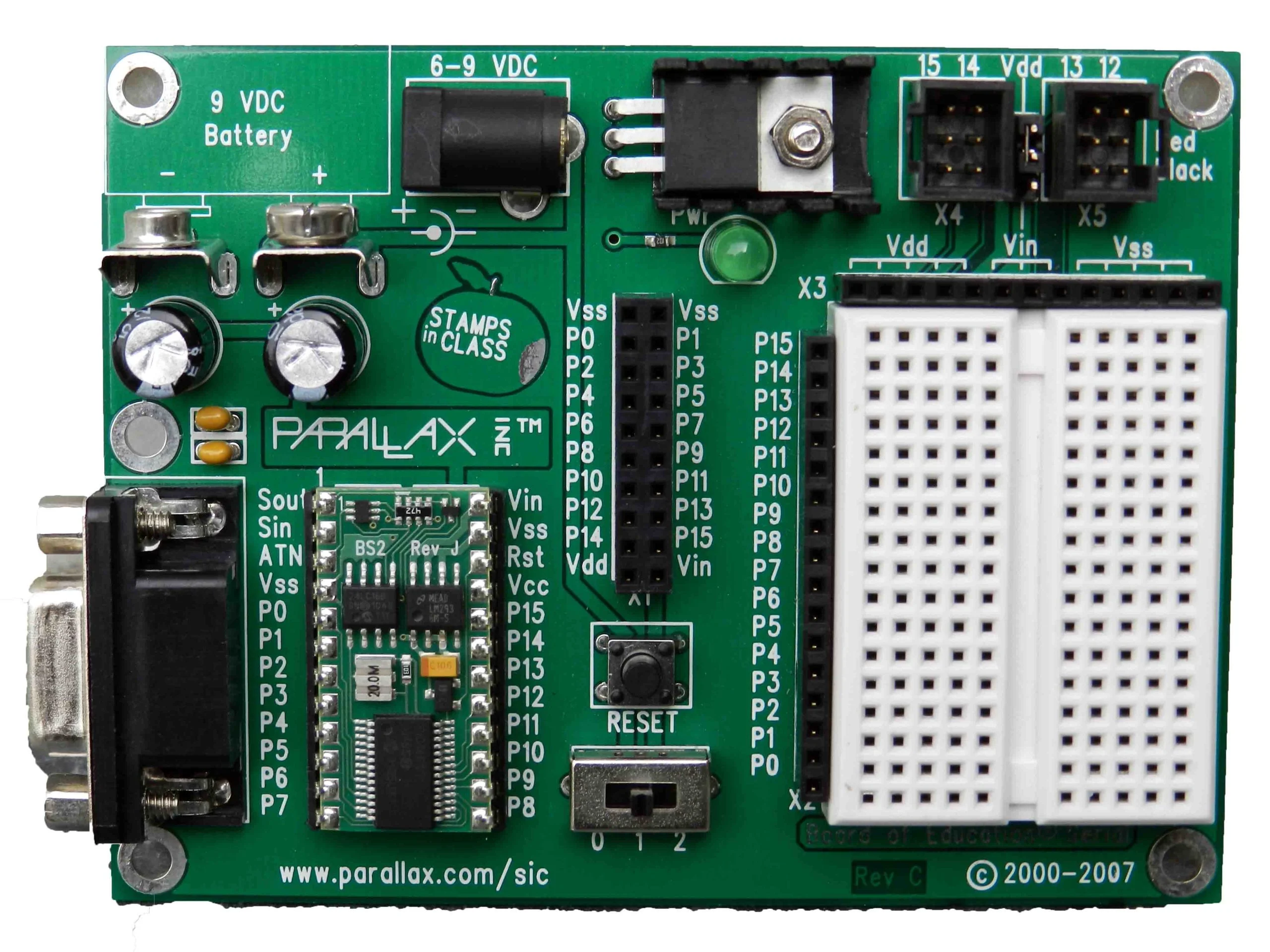
Board of Education is a Microcontroller development board, Designed by www.parallax.com. Which i persnolly found very easy to use and to work with. It was originally designed to support the learners of Microcontroller programming in field of electronics and robotics Engineering. You can order one from this link parallax.com/boe Best part of this Board is that…
List of All Projects
Flashing LED: The simplest circuit to start with, it uses 555 Timer to give a clock pulse to a LED. This clock pulse is further varied by using potentiometer. In this Project, I have provided three different modes of Flashing an LED. Flashing Rail road Lights: This project flashes two LEDs alternatively with equal intervals of time so they…
Latest News


Stay Connected
Categories
3D Printer Arduino Basic Electronics General Personal Robotics
Search the Archives
Access over the years of investigative journalism and breaking reports